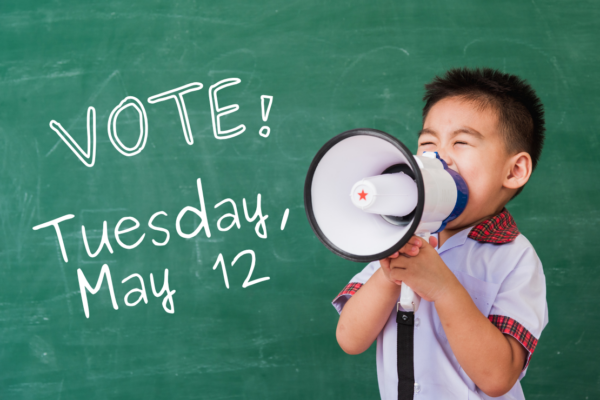

On Tuesday, May 12, voters in school districts across our state will head to the polls to vote for their newest school board members.
School board elections are one of the most direct sites of democracy. School boards can make or break the quality of local public education, which is directly connected to community issues such as public health, incarceration rates, employment, economic success, and more. By choosing who shapes our schools, we shape the future of our entire communities.
Let’s take a look at a few of the many issues on the ballot this year.

Freedom to Learn and Protest
The First Amendment protects the right of students of all ages to read and learn about viewpoints and experiences different than their own, and the right of young people to speak out about the issues they are passionate about.
School boards across Delaware have the power to decide whether important topics such as the lived experiences of historically marginalized groups and legacies of discrimination in our country will be included in the curriculum.
School boards also have the power to ensure that Delaware schools recognize and respect the right of students to be civically engaged without fear of disciplinary action. In the last several months, many students have faced punishment for exercising their constitutional right to protest about issues like immigration enforcement in schools. The way our school boards respond to student expression can lead schools down a path of censorship and repression, or create a school culture that values open-minded and engaged dialogue.
School Budgets
Over the past decades, Delaware schools have become increasingly diversified. Over 31% of Delaware students identify as African American and over 20% as Hispanic/Latino. Currently, 12% of Delaware students are multi-language learners (MLLs), 26% are low income, and 19% have disabilities that impact their education.
With a more diverse student body comes a more diverse set of needs. However, a 2023 report by The American Institutes for Research found that Delaware’s education system is underfunding its most disadvantaged children by $600-$1 billion.
School boards are responsible for ensuring millions of public dollars are spent appropriately and are equitably allocated to empower every student. Delaware is far from achieving budget equity. Our school board members have a significant role to play in closing the funding gap and ensuring that all students can begin their academic journeys at the starting line with their peers.
LGBTQ+ Students
Across our country, LGBTQ+ students, most notably transgender youth, have been the target of harmful misinformation campaigns, bullying, and harassment both inside and outside of schools. Delaware schools are not immune to these attacks, but school boards can play an important role in countering this dangerous trend.
School boards can make decisions to expand education around gender identity, establish and protect accommodations for LGBTQ+ students, and promote policies — like those Red Clay Consolidated and Christina School Districts — that allow students to feel valued as they grow into their identities.
When school board members are openly accepting of all students, including LGBTQ+ students, our schools become places where kids learn to build inclusive communities that stretch far beyond classroom walls.
Immigrants' Rights
The federal administration’s aggressive immigration policies, like rescinding the longstanding sensitive locations policy, have sent shockwaves throughout communities and opened our schools to violent immigration enforcement efforts.
Many immigrant families are scared to take their children to school out of fear of arrests and deportations, and many students who have been directly impacted by these cruel policies are struggling to keep up without those who support their education. Now, an already under-resourced multi-language learner population is suffering from increased absenteeism — leading to chilling effects on access to education.
School boards have the power to take action to protect immigrant students and their families. School boards can adopt policies that protect students’ personal sensitive information and limit schools' ability to cooperate with ICE, ensure students and families have access to Know Your Rights materials, and provide increased resources and translation services for MLLs and their families.
When we support school board candidates that align with the issues we care about, we send a message to lawmakers at all levels of government that we, as voters, hold the power to make decisions about our schools, neighborhoods, and communities. On Tuesday, May 12, let’s elect leaders who are prepared to prioritize the needs of the community and the students they represent.
To make your plan to vote on Tuesday, May 12, and learn more about the candidates running in your district, visit VoteDelaware.org.