
ACLU-DE and Community Partners Highlight Delaware Law Enforcement Collaboration with ICE and Demand Action in Letter to State Legislators
July 27, 2026 1:00 pm

Statewide — Today, the ACLU of Delaware, along with numerous community partner organizations, sent a letter to Governor Matt Meyer, Attorney General Kathy Jennings, House and Senate Leadership, the Laurel Police Chief, and other state officials, requesting immediate legal reforms that establish clear guidelines regarding cooperation and data sharing between Delaware law enforcement and ICE. This letter comes after a recent uptick in ICE violence, with three individuals killed in one week this month, bringing the total number of deaths during ICE operations to ten this year, and a further twenty-one deaths occurring in ICE detention centers.
While Delaware has been fortunate to avoid any ICE deaths so far, we've witnessed an escalation in violent and lawless tactics such as breaching an occupied residence without a valid judicial warrant, entering into a secret 287(g) agreement, and injuring people while attempting to detain them. Additionally, the Laurel PD sharing information about its Haitian residents with the FBI despite not having been given a valid judicial warrant came to light in January of this year. Recent records obtained by the ACLU of Delaware through a FIOA request demonstrate Laurel Police Chief Kracyla's foreknowledge that the information he sent would, in fact, be used by ICE for immigration and deportation proceedings.
If left unchecked, ICE’s dangerous behavior will continue to increase along with its operations in Delaware. All backdoor channels for law enforcement collaboration with ICE must be permanently closed and critical legislation must be passed to ensure Delaware remains a place where all people — regardless of immigration or citizenship status — can live without fear and are afforded the same civil rights and liberties guaranteed to every person in this country.
Read the full letter below:
Documents
Related Issues
Related Content

Immigrant Students and Families (EN/ES)
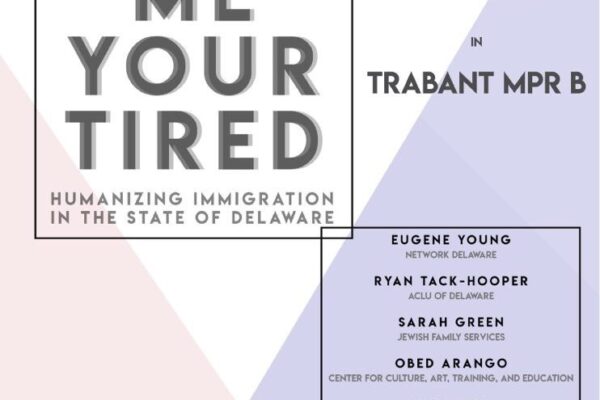
Humanizing Immigration in the State of Delaware

A Discussion about Immigration and the Sussex County Immigrant Community

Stay Informed
Sign up to be the first to hear about how to take action.
By completing this form, I agree to receive occasional emails per the terms of the ACLU’s privacy statement.
By completing this form, I agree to receive occasional emails per the terms of the ACLU’s privacy statement.