Court Cases
All Cases
57 Court Cases

Sep 1, 2026

ACLU of Delaware v. Town of Fenwick Island
Voting is for the people. Not corporations.
With over 2 million business entities incorporated in Delaware–roughly double the amount of actual people living in the state–the people of Delaware risk having their voices drowned out when towns like Fenwick Island allow corporate voting.
We stand in firm defense of the democratic ideal: "one person, one vote."
Aug 25, 2026

ACLU of Delaware v. Dept. of Justice
It is vital to our democracy for Delawareans to be able to easily access public records for public institutions in our state.
The Delaware Department of Justice's inadequate and inaccurate responses to Freedom of Information Act (FOIA) requests impedes the public's access to information they are rightfully entitled to have. As an organization that values government transparency, we will always fight to uphold the spirit of FOIA and the right of the people to be informed.
Aug 11, 2026

Calm, et al. v. Taylor
The Delaware Constitution grants us freedom from cruel punishment, even in prison.
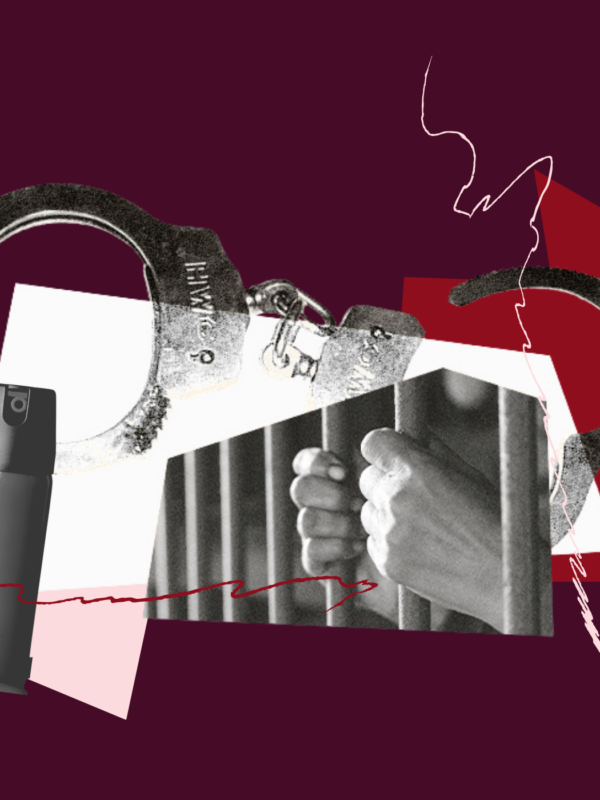
On May 7, 2026, the ACLU of Delaware filed a lawsuit against the commissioner of the Delaware Department of Correction because correctional officers are routinely failing to follow DDOC's own policies and training requirements when it comes to the use of dangerous chemical agents against incarcerated individuals. Countless lives have been put at risk by officers recklessly administering OC chemicals without following proper decontamination safety protocols, which has the potential to cause grievous injuries or even death.
DDOC must take responsibility for its employees when their conduct goes against policy, safety, and civil liberties. We're demanding an end to the cruel and malicious behavior of these officers.
May 18, 2026

ACLU of Delaware v. Dept. of Corrections
The Delaware Freedom of Information Act (FOIA) is a critical tool to facilitate public awareness and government accountability. Yet many state agencies continue to deny access to the very information FOIA was designed to make more transparent.
On January 27, 2025, the ACLU of Delaware filed an appeal with the Superior Court of Delaware following two FOIA request denials from the Delaware Department of Corrections (DOC) related to information on eligible incarcerated voters and elderly incarcerated individuals.
In August of 2024, ACLU-DE requested information about the number of incarcerated individuals who may be eligible to vote, the number of elderly individuals incarcerated in Delaware, and the information needed to contact them. The information requested was not confidential, nor did it pose any security risk. DOC's denial of these requests is indicative of a larger pattern of FOIA request denials from state agencies that keep important information out of view of the general public.
The request for eligible incarcerated voters aimed to gather the information necessary to provide accessible voter education. The right to vote is a cornerstone of our democracy, and ensuring incarcerated individuals have access to the ballot is critical to upholding it.
The request for elderly incarcerated individuals aimed to ensure these individuals are getting the necessary medical care and assistance that comes with aging, as well as gather information on Delaware's use of compassionate release. The recidivism rate of adults over 65 is only 4 percent, yet compassionate release laws are rarely used. We need to rethink the costly practice of keeping these people, who pose little or no risk to public safety, behind bars.
We stand firm in the belief that all incarcerated people should never be denied the information, care, or assistance they need and are constitutionally guarenteed. When upheld as intended, FOIA can and should be a powerful tool in helping to ensure the civil rights and liberties of vulnerable populations are protected.
Mar 12, 2026
ACLU of Delaware v. Town of Dewey Beach
On March 12, 2026, the ACLU of Delaware filed a complaint against the Town of Dewey Beach for the unlawful denial of a Freedom of Information Act (FOIA) request seeking access to body worn camera footage from six law enforcement officers. ACLU-DE requested the body worn camera footage after receiving a report that a group of young people had faced potential discrimination last year due to their race.
The State of Delaware mandates that police use body worn cameras in order to provide greater transparency and accountability to Delawareans when police officers are working in their public capacity in public spaces. When footage from those cameras is intentionally kept from public view, it undermines trust in law enforcement. Denying a FOIA request like this is yet another example of a public institution misusing FOIA exemptions to avoid being transparent and accountable for how it operates.
We will continue to fight to make sure Delawareans can access the public information they are rightfully entitled to have. Freedom of information is integral to our democracy, and all Delaware institutions must uphold it to protect and empower everyone who lives here.
Mar 2, 2026
U.S. v. Albence
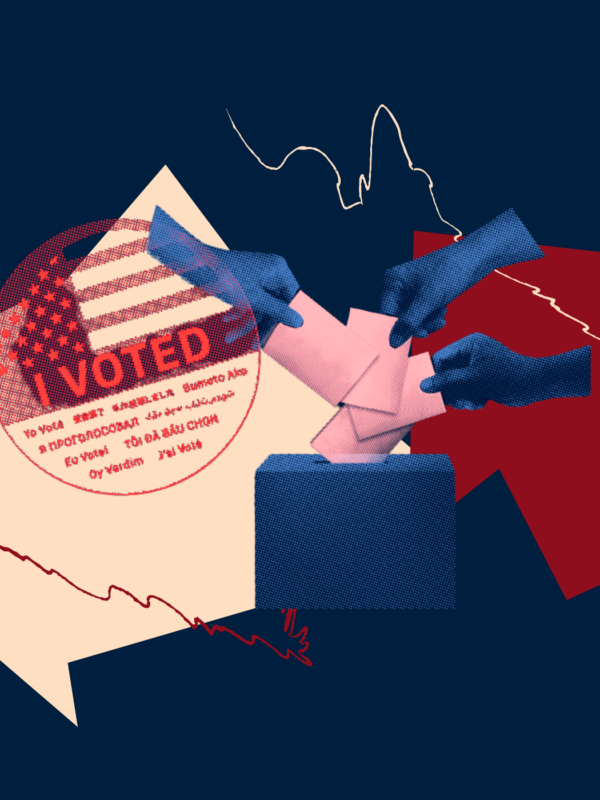
U.S. v. Albence is a lawsuit filed by the federal government that seeks to force the State of Delaware to disclose sensitive personal voter data, such as driver’s license numbers and Social Security information, for hundreds of thousands of Delawareans. After making repeated demands for the data, the U.S. Department of Justice was unsatisfied with the State’s offer of the public voter registration list that is readily available to all Delawareans. The Department continued to demand all unredacted sensitive data while failing to answer Delaware officials' questions about the legality of the request. No explanation was given for why this sensitive information was needed, or how it could be transferred in a way that did not violate federal and state laws.
This case is one of more than twenty cases the U.S. has filed against multiple states to forcibly extract data that can be used to further the current anti-immigration agenda and the federal government's heavy-handed and escalating threats to states it perceives as enemies of the Trump administration.
The federal government's sweeping request for Delawareans' voter data threatens our right to privacy and our right to vote. Delaware voters should feel secure that their sensitive personal information will be handled carefully and lawfully by the state and will not be disclosed and weaponized against them by the federal government. We won't stop fighting to preserve the safety of Delaware voters.


Stay Informed
Sign up to be the first to hear about how to take action.
By completing this form, I agree to receive occasional emails per the terms of the ACLU’s privacy statement.
By completing this form, I agree to receive occasional emails per the terms of the ACLU’s privacy statement.